Long before the shoreline looked the way it does today, this region was shaped by volcanoes, glaciers, massive meltwater lakes, and thousands of years of wave action. The rocks we find in northern Wisconsin and along the Lake Superior basin are not just pretty pieces of nature. They are leftovers from an incredible geological past.

A Landscape Built by Fire and Ice
Lake Superior sits in one of the oldest and most geologically interesting regions in North America. Over a billion years ago, volcanic activity helped form the rocks around the lake. That ancient lava and mineral-rich environment helped create many of the stones collectors love today, including agates, jasper, basalt, quartz, and other colorful treasures.
Much later, glaciers moved across the land like giant slow bulldozers. They scraped, broke, carried, buried, and polished stones as they advanced and melted. When the ice finally retreated, it left behind gravel pits, sandy ridges, lakebeds, and scattered stones from many different places.
Basically, the glaciers did the heavy lifting. We just get to do the fun part and find the leftovers.
Ancient Shorelines and Hidden History
The Lake Superior area did not always have the same water level or shoreline we see now. As glaciers melted, huge temporary lakes formed and shifted. These ancient waters left behind beaches, ridges, deposits, and stone-rich areas far from the modern shoreline.
That means some rocks found inland may still have a connection to ancient glacial lakes, meltwater streams, or old shore environments. A stone found in a pit, sandy roadbed, or wooded ridge may have traveled a long way before ending up there.
Why the Stones Are So Special
Lake Superior stones are popular because they carry visible history:
- Agates show banded layers formed inside cavities in ancient volcanic rock.
- Jasper brings deep reds, yellows, browns, and earthy tones.
- Quartz adds bright white contrast and sparkle.
- Basalt and granite show the darker, tougher side of the region’s geology.
- Glacially rounded stones often have smooth, water-worn shapes that make them perfect for art, jewelry, and garden design.
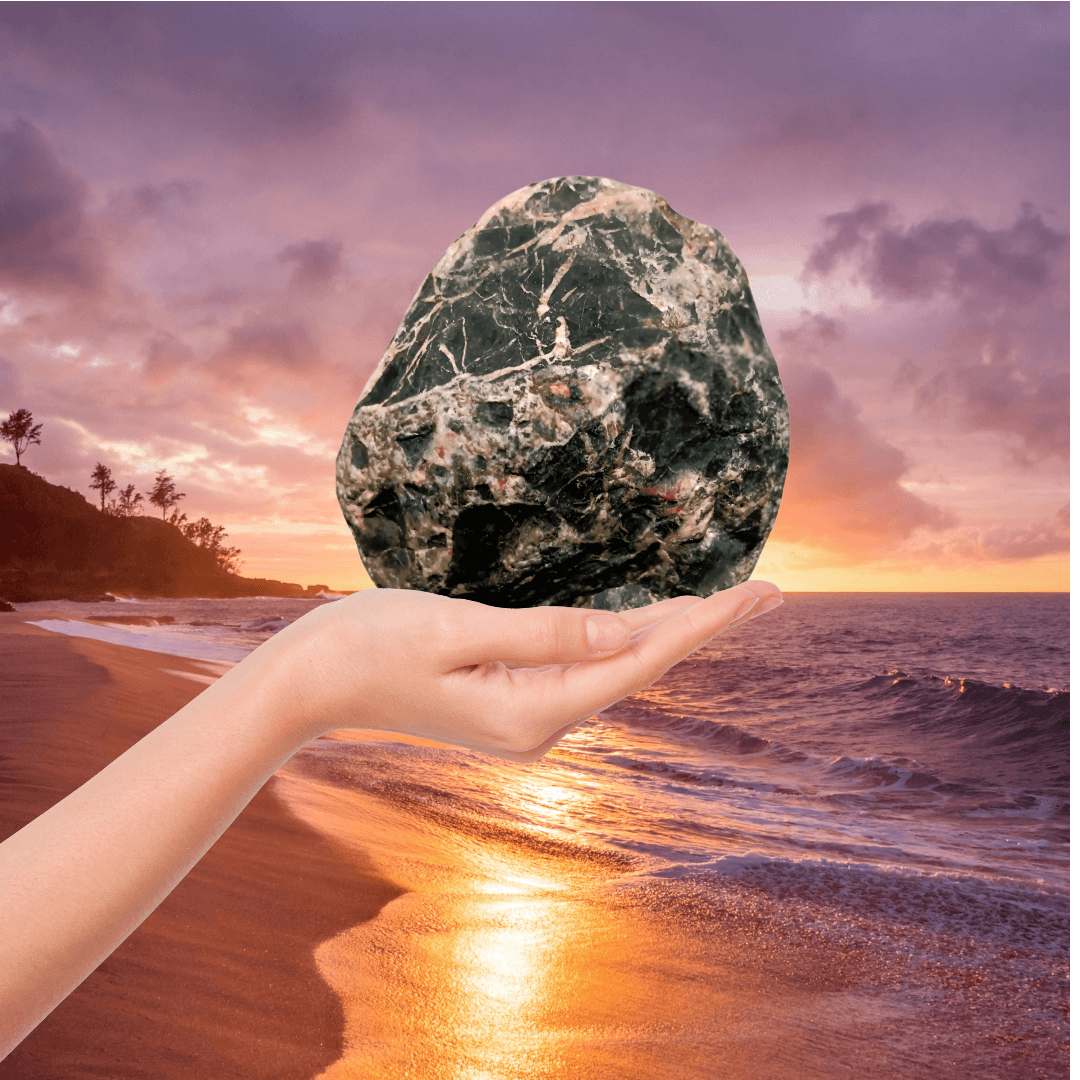
Each stone is like a tiny time capsule. Some were shaped by lava. Some were moved by ice. Some were polished by water. Some did all three, because apparently one dramatic origin story was not enough.
From Ancient Earth to Handmade Art
For my work, these stones are more than raw materials. They are pieces of northern Wisconsin’s natural history. Whether used in jewelry, home decor, garden features, or carved designs, each one keeps a little part of the ancient Lake Superior story alive.
That is what makes these stones so special: they are beautiful, local, natural, and completely one-of-a-kind.
No two are ever exactly the same — and honestly, that is the whole magic.
